Festo Camera Group
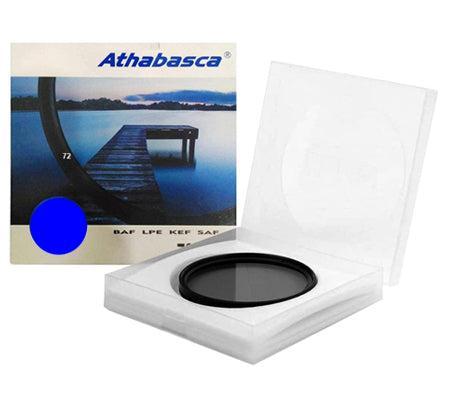
Athabasca 72mm ND4 Filter
Athabasca 72mm ND4 Filter
Couldn't load pickup availability
Condition: Brand new in original packaging
Brand: Athabasca
Description:
What is an ND4 Filter?
A Neutral Density (ND) filter is a photographic filter that reduces the amount of light entering the lens, without affecting the color balance. The ND4 filter specifically reduces light by 2 stops. This means it allows only 25% of the light to pass through, cutting the exposure time, aperture, or ISO by half.
An ND4 filter is typically used for creative effects such as:
- Long exposure photography (e.g., smoothing out water, creating motion blur in clouds or crowds).
- Controlling exposure in bright conditions, enabling the use of wider apertures (for a shallow depth of field) or slower shutter speeds (for motion blur).
Specifications of a 72mm ND4 Filter
- Filter Size: 72mm – This is the diameter of the filter and is designed to fit lenses with a 72mm filter thread.
- ND4 Reduction: Reduces light by 2 stops, allowing only 25% of the light to pass through the lens. This allows for longer exposure times or wider apertures in bright conditions.
- Material: ND filters are usually made from either optical glass or resin. High-quality filters use optical glass for better optical clarity and scratch resistance.
- Coatings: Many ND filters come with multi-layer coatings to minimize reflections, reduce ghosting, and enhance overall image quality.
- Color Balance: Neutral Density filters, when properly made, shouldn’t introduce any noticeable color shift. However, cheaper filters might cause a slight color cast, which can often be corrected in post-processing.
Common Uses of an ND4 Filter
-
Long Exposure Photography: The ND4 filter is often used to slow down shutter speed in daylight for creative effects. For instance, capturing smooth flowing water or motion blur in fast-moving subjects, like cars or clouds.
-
Portrait Photography: The ND4 filter allows photographers to use a wide aperture (e.g., f/1.8 to f/2.8) in bright lighting without overexposing the image. This can result in a shallow depth of field and a blurred background, emphasizing the subject.
-
Video Filming: ND filters are commonly used in videography to maintain the proper shutter speed for cinematic motion blur (typically 1/50 or 1/60 of a second), especially when shooting outdoors in bright light.
Pros and Cons of Using an ND4 Filter
Pros:
- Enhanced Exposure Control: Enables the use of slower shutter speeds or wider apertures in bright conditions.
- No Color Shift: High-quality ND filters are designed to be neutral, so they don’t alter the colors in your photos.
- Compact and Easy to Use: It’s a simple, effective tool for controlling light, especially for beginners or those who want a quick solution for exposure control.
Cons:
- Limited Light Reduction: An ND4 filter only reduces light by 2 stops, which may not be enough for more extreme lighting conditions or for achieving very long exposure times.
- Potential for Image Quality Loss: Lower-quality filters (particularly inexpensive ones) can introduce optical flaws like softness, color casts, or vignetting at the corners of your images.
Material and Build Quality
- Optical Glass: High-quality ND filters typically use optical glass, which offers superior clarity and is more resistant to scratches and other damage.
- Coatings: Quality filters often come with anti-reflective coatings to minimize flares and ghosting, as well as water and dust-repellent coatings to ensure durability and easy cleaning.
- Frame: The frame of the filter is typically made from aluminum for a lightweight yet sturdy build, with some models offering slim profiles to reduce the risk of vignetting.
Compatibility and Mounting
- Filter Size: The 72mm size indicates the diameter of the filter that will fit the lens. Make sure to check the filter thread size of your camera lens before purchasing.
- Adapters: If you have multiple lenses with different filter thread sizes, you can use a step-up or step-down ring to fit the 72mm filter on other lenses.
Share